The Power of a Place Made for All
Morgan Rigaud and roller-skaters at Sawyer Point Riverfront Rink
When Morgan Rigaud began organizing skate meetups at Sawyer Point, she was simply trying to bring people together. Today, the riverfront rink has become a vibrant community hub — and with continued support, its future as a gathering place for Cincinnati is just beginning to unfold.
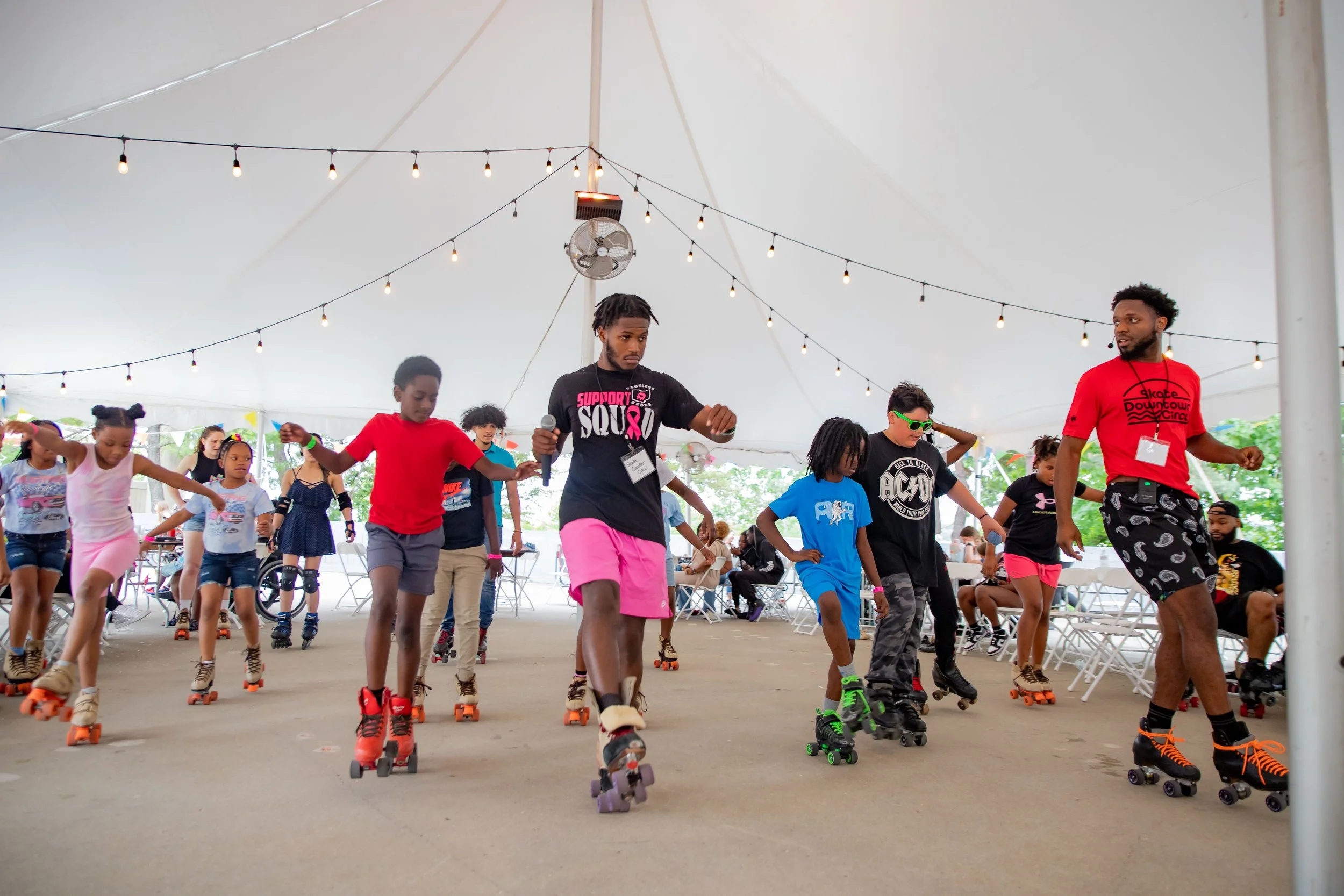
On a summer evening along Cincinnati’s riverfront, the music arrives before the skaters.
A bass line rolls across Sawyer Point, echoing along the Ohio River. Then wheels begin to glide. Within minutes the rink fills with motion — children wobbling through their first turns, seasoned skaters dancing to the beat, families laughing together, neighbors greeting one another like old friends. In the middle of it all is a kind of magic that keeps people coming back.
For Morgan Rigaud, who leads programming at the Sawyer Point Roller Rink through the nonprofit Skate Downtown Cincy, that energy represents something much bigger than recreation.
“People may think of skating as a solitary activity,” Rigaud says. “But Sawyer Point makes it anything but. It’s a space for people to gather and see each other. It’s an experience you share with your family, friends, and neighbors.”
A Riverfront Rink with Deep Roots
The energy people feel at the rink today is part of a story that began decades ago, when Cincinnati began reimaging its relationship with the Ohio River.
The Sawyer Point Riverfront Rink opened in 1988 during Cincinnati’s Bicentennial celebration, part of a broader effort to reconnect the city with the Ohio River. marketing the city’s 200th anniversary. Its debut included an Olympic skating performance celebrating the new public space and the city’s investment in its riverfront. At the time, it was recognized as the largest waterfront skating surface in North America, designed as a flexible space where people could gather, skate and enjoy the riverfront.
For years, the rink hosted regular public skating supported by skate rentals and concessions. In 2011, formal programming ended as the rink transitioned from a Cincinnati Recreation Commission to Cincinnati Parks facility, yet the rink remained a favorite destination for local skaters, roller derby teams and community groups.
A new chapter began in 2020, when Rigaud and other local skaters started organizing outdoor meetups during the pandemic, when many indoor recreation spaces were eclosed. What began as a simple way to stay active and connected quickly grew into something larger.
These grassroots gatherings eventually evolved into the programming now led by Skate Downtown Cincy, in partnership with Cincinnati Parks and the Cincinnati Parks Foundation. Today, the rink once again serves the purpose for which it was built: bringing people together along the river.
“People move together, sharing a beat. That shared rhythm brings different generations and cultures together.”
A Place Where Everyone Belongs
At a time when many public spaces feel transactional or temporary, the rink offers something different — a place where people linger. On any given evening, the crowd reflects the full spectrum of Cincinnati: kids learning to skate for the first time, seasoned skaters moving in rhythm, families gathered along the edges and visitors who stumbled upon something unexpected and decided to stay.
The simplicity of the idea is part of its power. The rink is free.
That choice was intentional. And transformative.
“Free access is everything,” Rigaud explains. “It removes the barrier to entry. Every person shows up on equal footing, ready to participate.”
That choice shapes everything that happens there. People arrive without pressure or expectation. They come to try something new, reconnect or simply be around others. What they find is something increasingly rare — a space that feels open, welcoming and shared.
“You should feel pure joy and acceptance,” Rigaud says. “Come as you are. We want people to feel welcome regardless of skill level.”
Music, Movement and Shared Energy
Music plays a central role in shaping the atmosphere of the rink.
“Sound creates unity,” Rigaud says. “People move together, sharing a beat. That shared rhythm brings different generations and cultures together.”
The result feels part dance floor, part neighborhood gathering. Moments of connection happen constantly, often in small, unplanned ways.
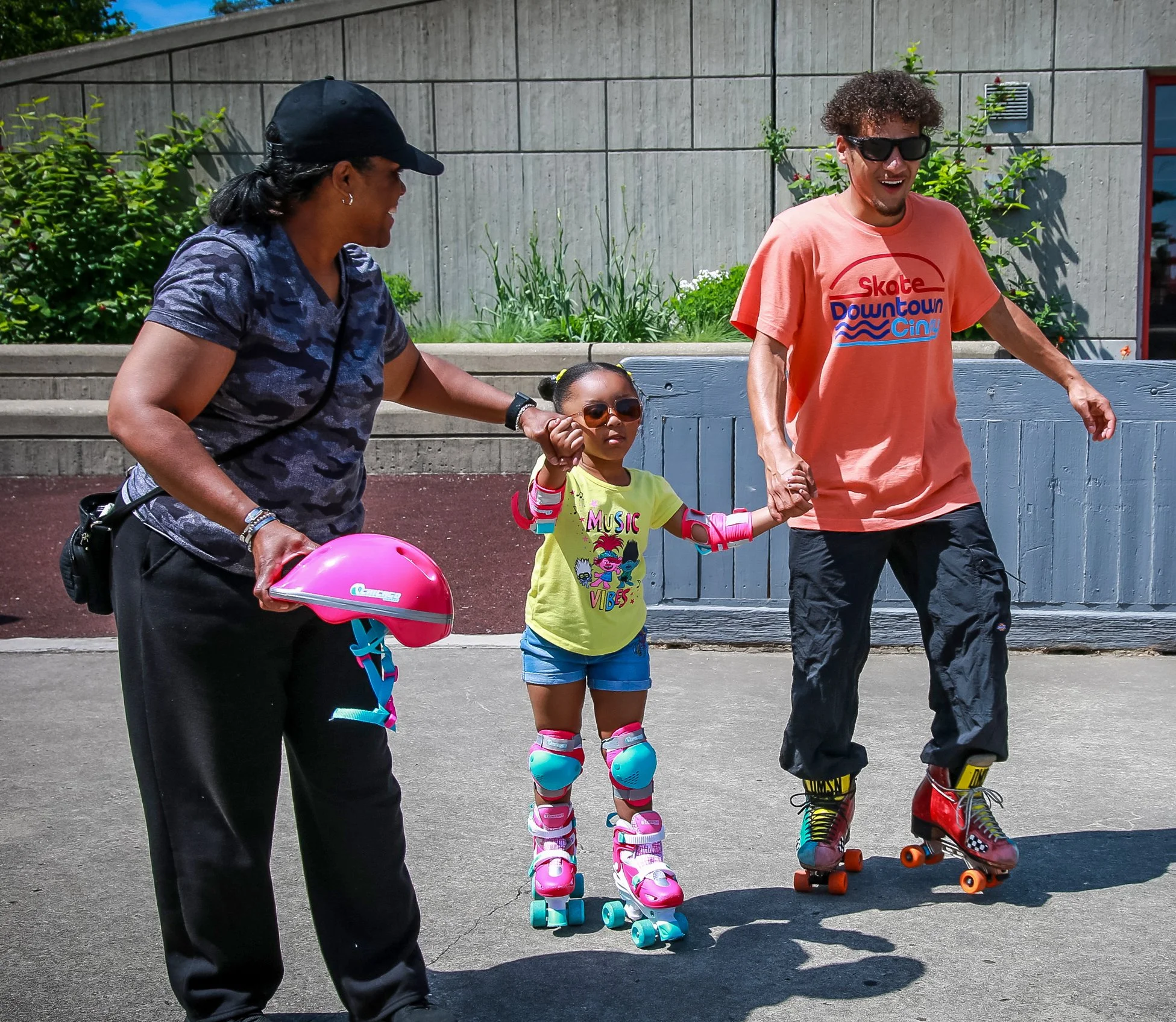
One evening, Rigaud watched as two children learning to skate held hands with a Cincinnati police officer who had joined them on the rink.
“He was right there with them, smiling and helping them find their balance,” she says. “Seeing them together, laughing and learning, was powerful.”
Another night, the team welcomed two visually impaired skaters.
“Our group surrounded them with support,” Rigaud recalls. “We introduced them to everyone and made sure they felt comfortable. That’s what the rink is about.”
Over time, familiar faces return week after week: families, skate crews practicing new routines and individuals who found a sense of belonging they hadn’t experienced elsewhere.
“When we ask why people come back,” Rigaud says, “they always say the same thing. It’s the people.”
Wellness in Motion
Roller skating offers clear physical benefits, burning as many as 600 calories per hour while putting less stress on joints than running. But the deeper impact often shows up in emotional and mental wellness.
“Skating lowers stress and provides a creative outlet,” Rigaud says. “But what really matters is the community.”
Regular skaters check in on one another. When someone misses a session, people notice. “At a time when many of the rituals that once brought communities together have disappeared, our programs have become a kind of wellness check,” Rigaud says. “People look out for each other.”
Joy also changes how people think about exercise. “When movement is fun, people keep coming back,” she says. “Instead of judging their bodies, they start feeling stronger and more confident. That confidence is powerful medicine.”
For some skaters, the rink has become a place to process life’s most difficult moments.
“We often hear that the rink is someone’s ‘happy place,’” Rigaud says. “Some people have told us skating helped them work through grief after losing someone they love.”
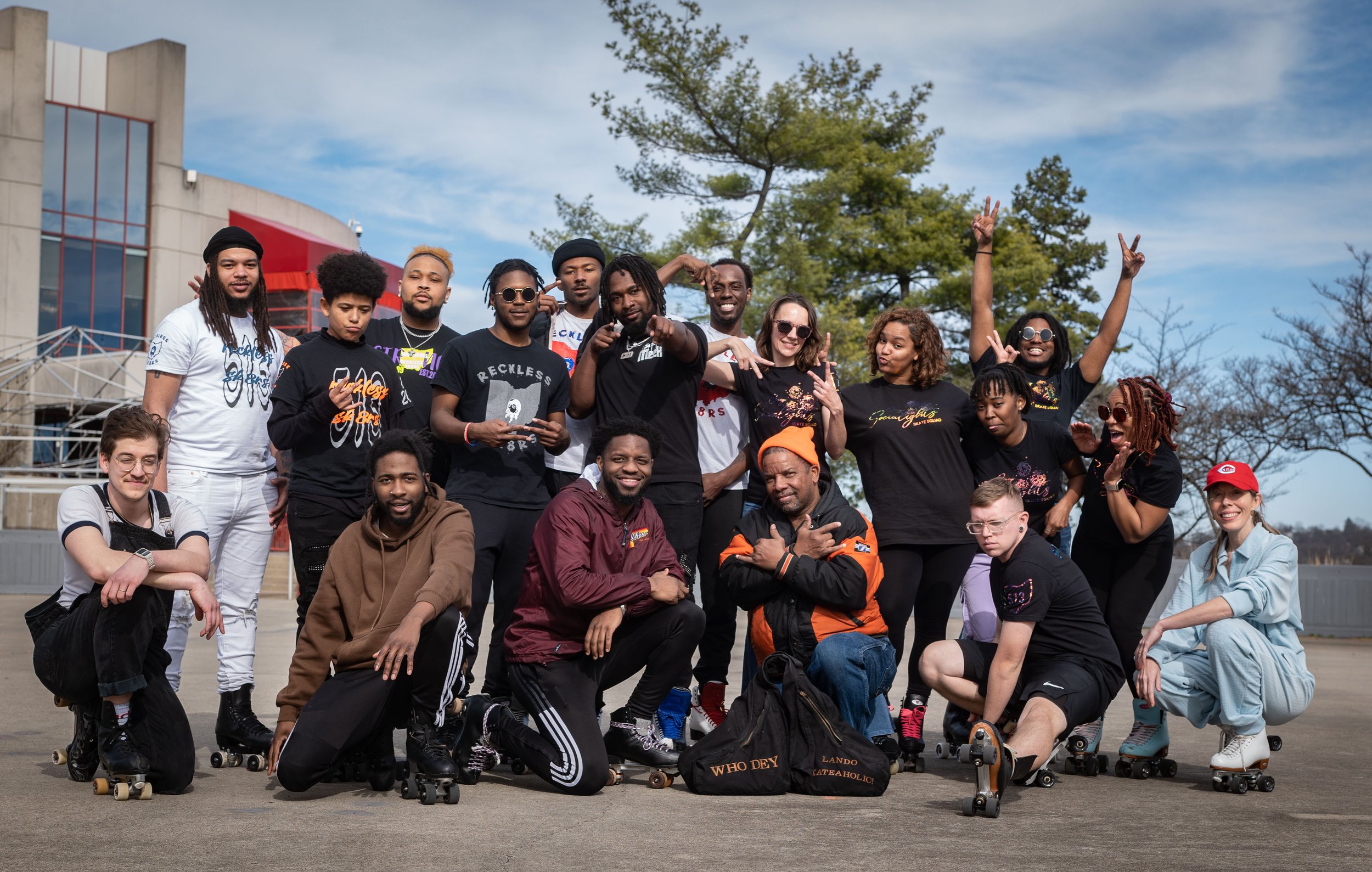
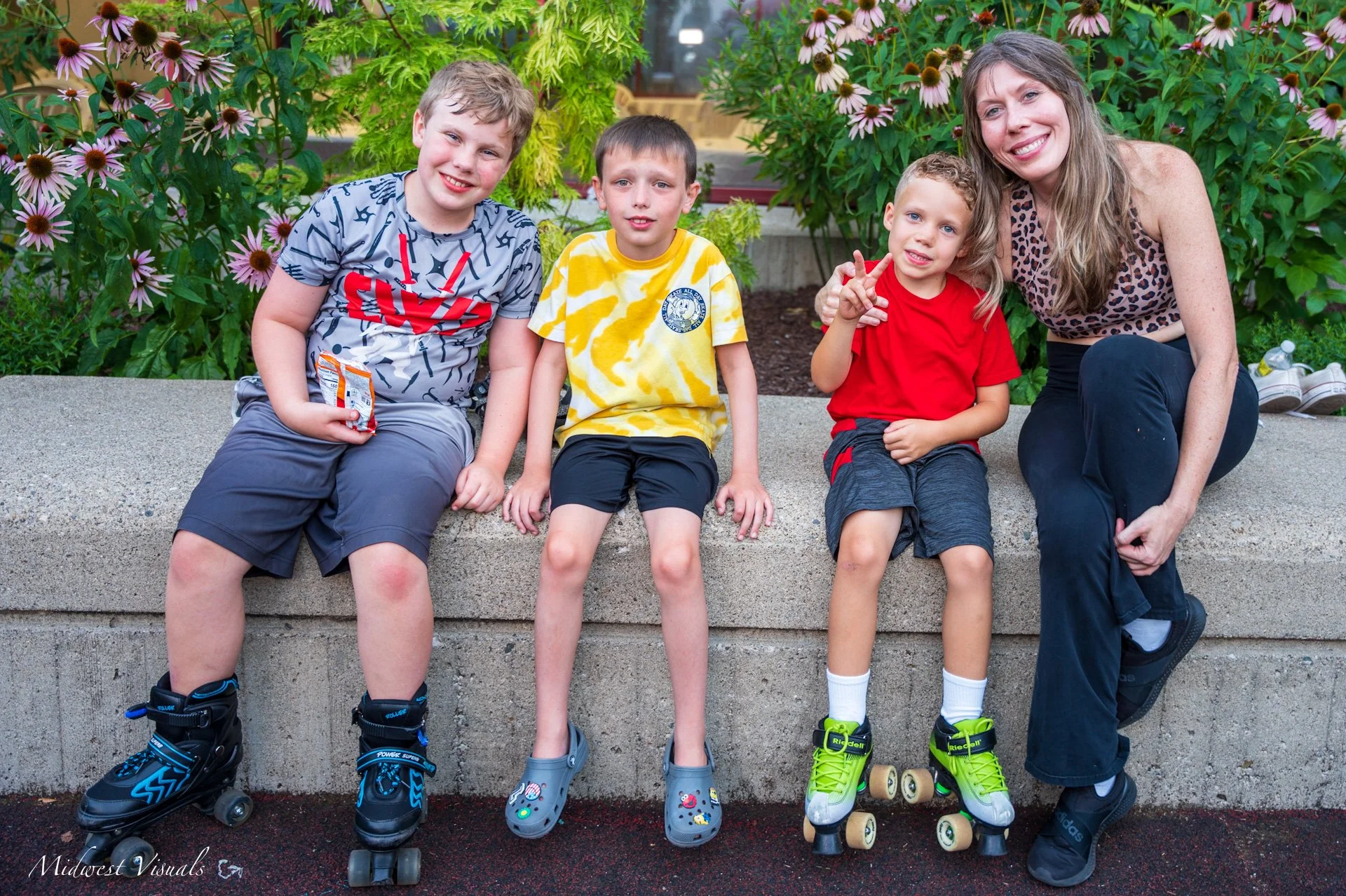
Morgan with volunteers and regular skaters at a Skate Downtown Cincy event.
A Place to Belong
Just as importantly, the rink has become a meaningful space for teens across Cincinnati. Through dedicated Friday night skate programs organized by Skate Downtown Cincy, hundreds of teens have gathered at Sawyer Point, many returning week after week for a place that feels safe, welcoming and fun. In a time when accessible, positive spaces for young people can be limited, the rink offers something essential: a place to belong. Free and open to all, it removes barriers while creating structure through music, movement and community.
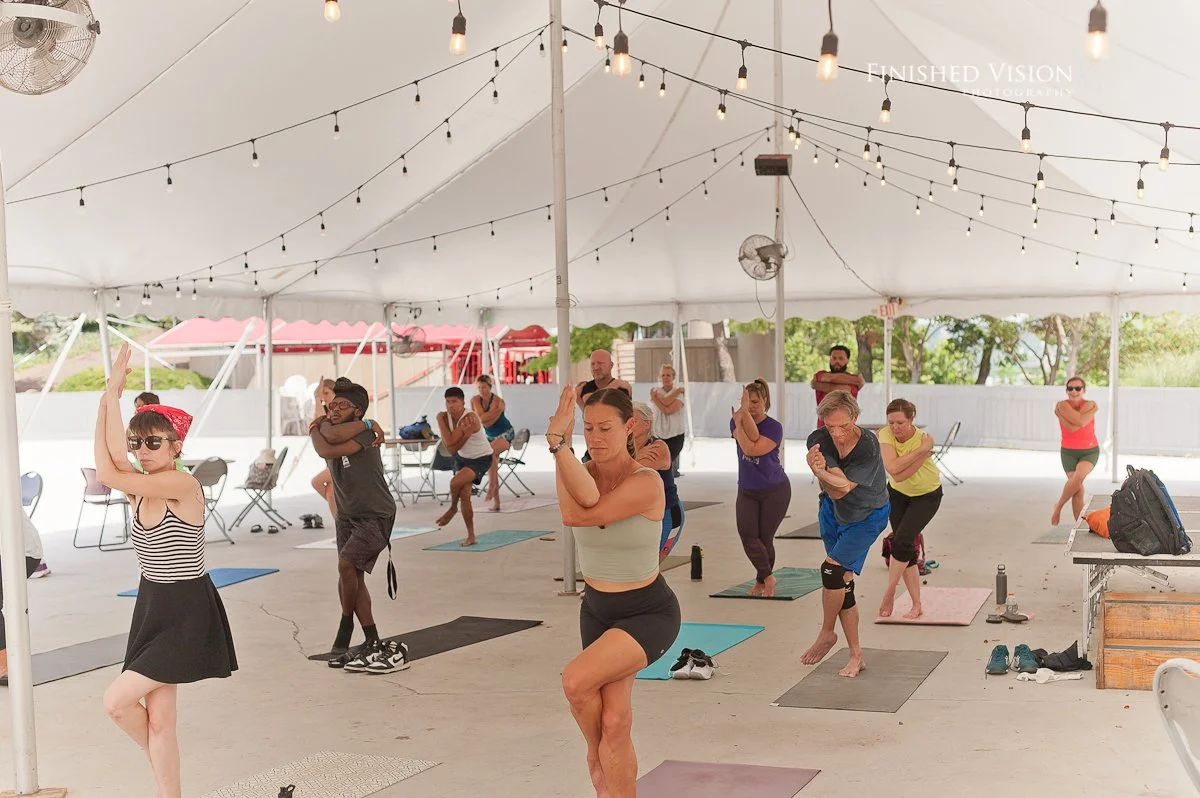
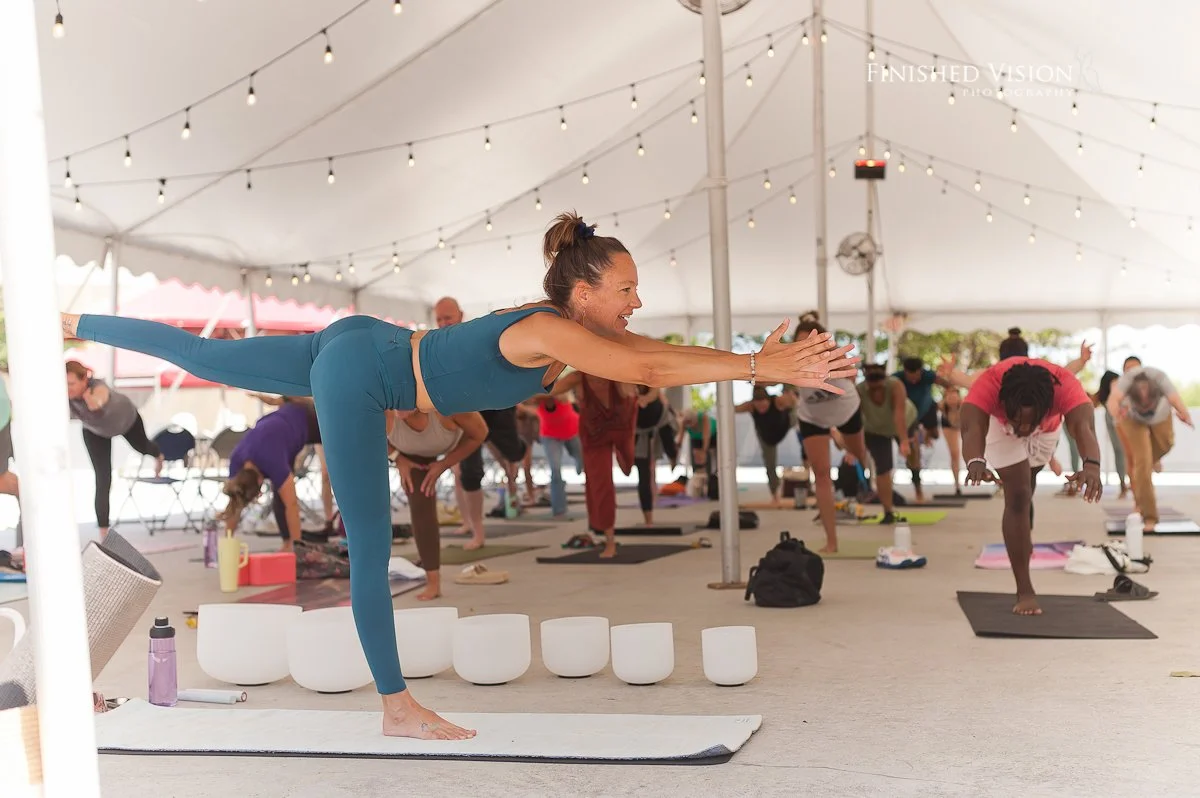
The rink’s impact extends even further through intentional partnerships and programming designed to meet people where they are. As part of the Cincinnati Parks Foundation’s Cincinnati Parks + Rec for Wellness initiative, the space continues to evolve beyond skating, hosting yoga, dance and learn-to-skate classes, which brought thousands of people to the rink in 2025. Through the Foundation’s partnership with Cincinnati Children’s Hospital providing accessible recreation activities for children with special needs, the rink was also the site of adaptive skating lessons and bike riding instruction.
Building the Next Generation of Leaders
Behind the scenes, a team of young staff members and volunteers helps create the welcoming culture visitors experience. For Rigaud, that work is just as important as the skating itself. “Our young leaders are the future of our public spaces,” she says. “They want their families — and someday their own children — to have spaces like this.”
Working at the rink helps them develop skills that extend far beyond skating: communication, customer service, event management and the confidence to build relationships with strangers. “These are skills that are harder to develop in a screen-centered world,” Rigaud says. “But they’re essential for building healthy communities.”
By modeling hospitality and care, staff and volunteers help shape how visitors treat each other and the park itself. “It creates a sense of public ownership,” Rigaud says. “People see civic pride in action.”
A Model for What Cities Can Be
The success of Sawyer Point hasn’t gone unnoticed. Cities across the country have begun asking how something so simple — a skating rink — became so meaningful.
For Rigaud, the answer is clear.
“People want to belong,” she says. “They want to feel seen and part of something bigger.”
The rink works not because of skating alone, but because it creates the conditions for connection. Skating is simply the vehicle.
Growing the Vision
In the past year alone, more than 12,000 people visited the rink. But the real measure of success isn’t attendance — it’s what those numbers represent: connection, consistency and a shared sense of place.
Keeping the rink free ensures that families, young adults, and individuals from across the city can participate without financial barriers. Support from Cincinnati Parks and the Cincinnati Parks Foundation has helped make that possible. “From the beginning, the Foundation has supported this vision,” Rigaud says. “They’ve helped sustain free programming and believed in what this space could become.”
Together with partners, the Foundation is working to secure the rink’s future through improvements that will enhance safety, expand programming and strengthen Sawyer Point as a destination for wellness and community connection.
Investing in Cincinnati’s Riverfront
The energy at the rink is part of a larger effort to strengthen Sawyer Point as a place where the city comes together. Through the Cincinnati Parks Foundation, community support is helping advance improvements that connect recreation, play and gathering spaces into a more unified riverfront experience.
Three priorities are guiding that work: rebuilding the 1,000 Hands Playground as an inclusive space for children of all abilities; sustaining and improving the Riverfront Skating Rink through maintenance, upgrades and free programming; and maintaining the Sawyer Point pickleball courts to meet growing demand.
Each investment supports not just infrastructure, but the programming and care that bring these spaces to life — ensuring the park continues to evolve while staying true to what makes it special.
Let’s Finish the Riverfront!
The Invitation
Sawyer Point belongs to everyone, and its future is shaped by those who choose to be part of it. That might mean showing up to skate, bringing a friend, introducing yourself to someone new or supporting the park through a gift.
For those who haven’t visited, Rigaud offers simple advice.
“Don’t worry about skating skill,” she says. “Come down, listen to the music, meet someone new and enjoy the beauty of the park.”
Within minutes, the atmosphere makes its impact clear. You feel the energy right away.
At Sawyer Point, the rink is more than a place to skate. It’s where Cincinnati gathers — and where the next chapter of the riverfront community is just beginning to roll.