
Natural Land Conservation in Cincinnati Parks
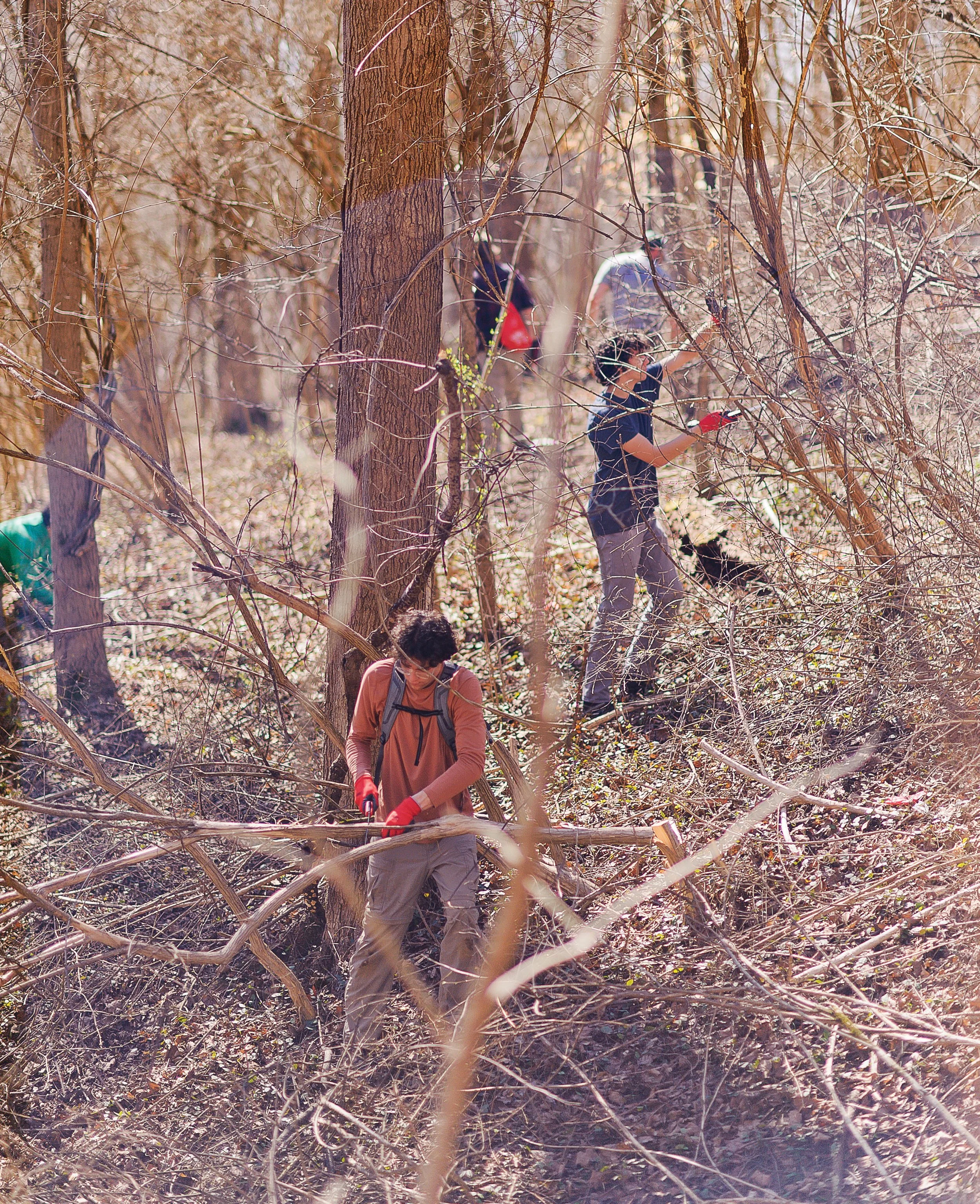
Effective natural land conservation is essential to maintaining healthy, resilient park ecosystems. In urban environments like Cincinnati, natural areas face constant pressure from invasive species, habitat fragmentation and heavy public use. Thoughtful stewardship helps protect biodiversity, improve water quality, reduce erosion and ensure forests can thrive over time. By actively managing these landscapes, Cincinnati Parks preserves critical habitat while providing safe and enjoyable natural spaces for the community.
Who Leads This Work?
The Department of Natural Resources within Cincinnati Parks leads conservation and land management efforts across the park system. Their staff plan and carry out strategies for invasive species control, forest health, and habitat restoration. This work is strengthened by the contributions of volunteers and Cincinnati Parks Advisory Council (CPAC) groups, who support hands-on efforts like invasive plant removal, native planting, and site maintenance. Together, staff and community partners help expand the reach and impact of conservation work throughout Cincinnati’s parks.
Cincinnati Parks Foundation Support
The Cincinnati Parks Foundation plays a key role in supporting invasive species removal through funding, partnerships, and community engagement. By securing grants, mobilizing donors, and organizing volunteer initiatives, the Foundation helps make restoration projects and long-term stewardship possible. Its support enhances the capacity of Cincinnati Parks to care for natural areas and ensures that conservation work can continue to grow and succeed.
Invasive Species Removal
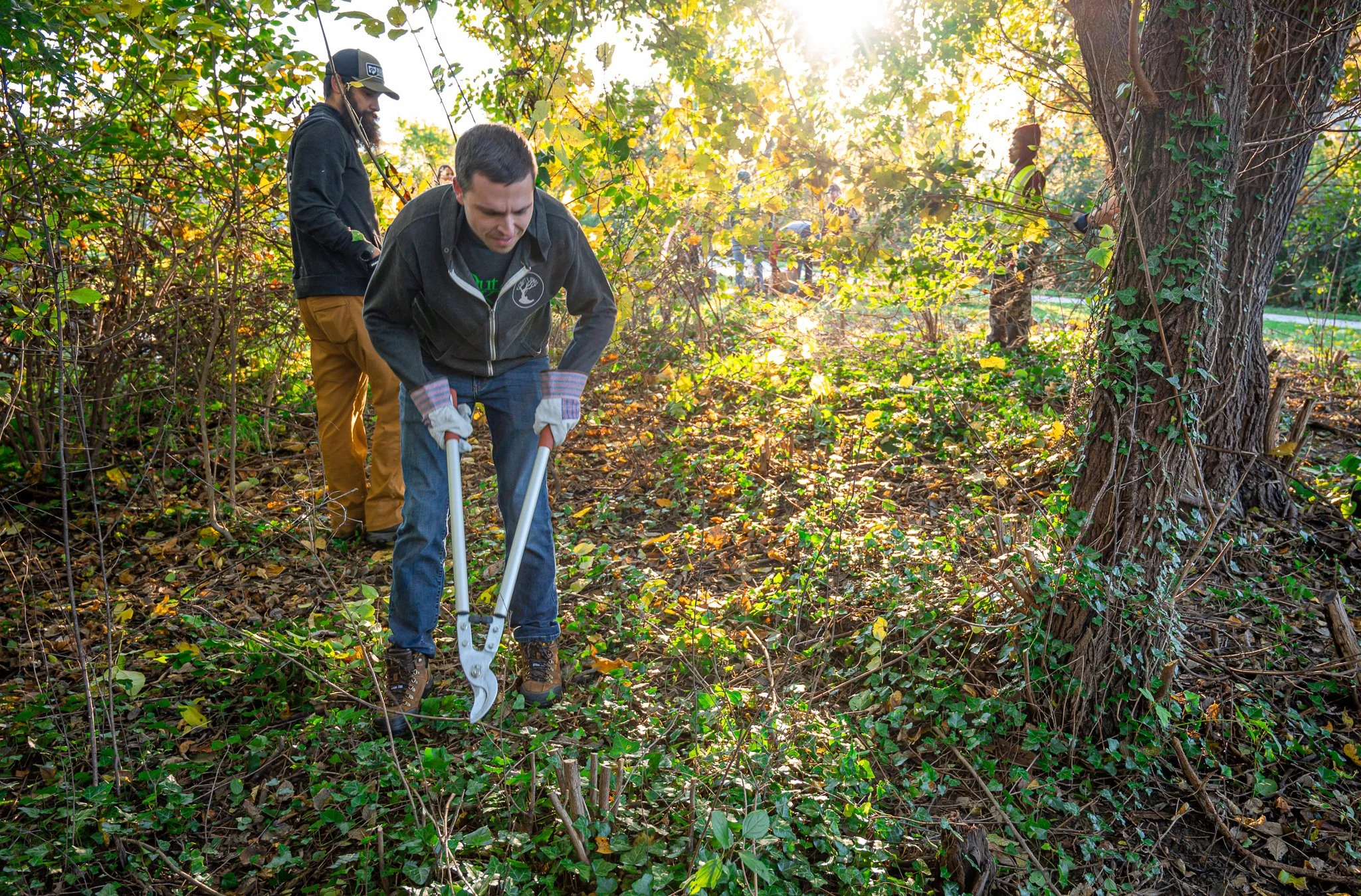
Conservation efforts focus on restoring native ecosystems, with invasive species removal as a primary strategy. Plants like bush honeysuckle and wintercreeper can overtake forest understories, crowd out native vegetation, and degrade wildlife habitat. Staff and volunteers address this through hand-pulling, cutting, targeted herbicide use, and occasional prescribed burning. At the same time, maintaining existing trees is essential—mature trees are pruned, monitored, and treated for pests to extend their lifespan and ecological benefits, while ecological thinning reduces overcrowding and supports healthier tree growth.
-
Protecting Native Biodiversity
Invasive species crowd out native plants, reducing the diversity of trees, shrubs, and wildflowers that wildlife depend on. By removing invasive plants, native ecosystems can regenerate naturally, supporting healthier habitats for birds, pollinators, and other species. Strong biodiversity makes parks more resilient to pests, disease, and environmental stress.
-
Cleaner Water + Reduced Erosion
Invasive species often have shallow root systems that do little to stabilize soil. Replacing them with deep-rooted native plants improves soil structure, reduces erosion, and helps protect streams and waterways from sediment runoff. Healthier plant communities contribute to better water quality and more stable landscapes.
-
Healthier Urban Forests
Many invasive plants grow aggressively, forming dense thickets that prevent young trees and native plants from establishing. Removal efforts allow sunlight to reach the forest floor and give native seedlings space to grow. This strengthens long-term forest health and ensures future generations of trees can thrive.
Now Supporting:
-
French Park Invasive Species Removal
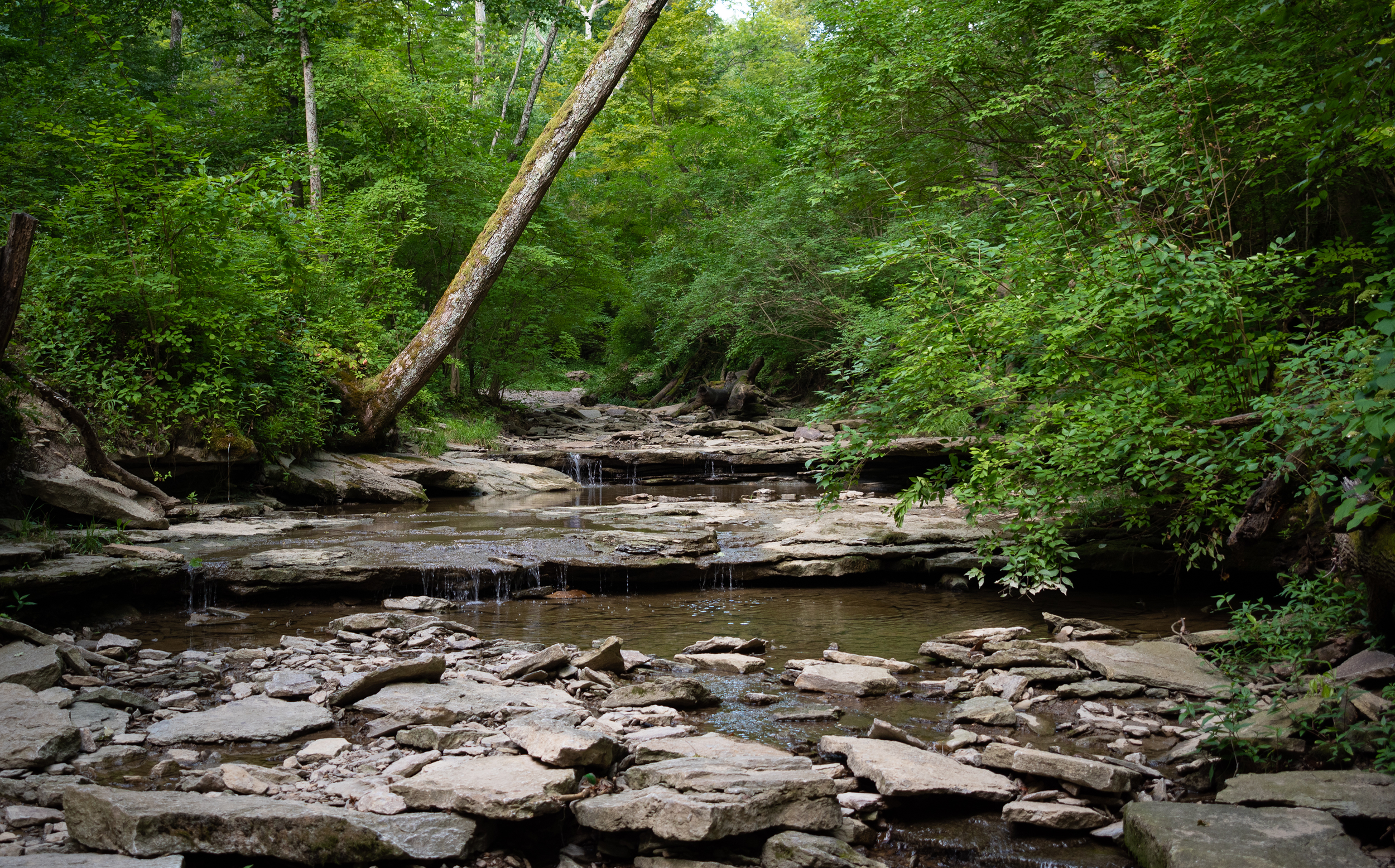
Friends of French Park, a Cincinnati Park Advisory Committee, uses support from grant funds and community donations to remove invasive species and plant and maintain native trees within the park.
-
City-wide Honeysuckle Removal
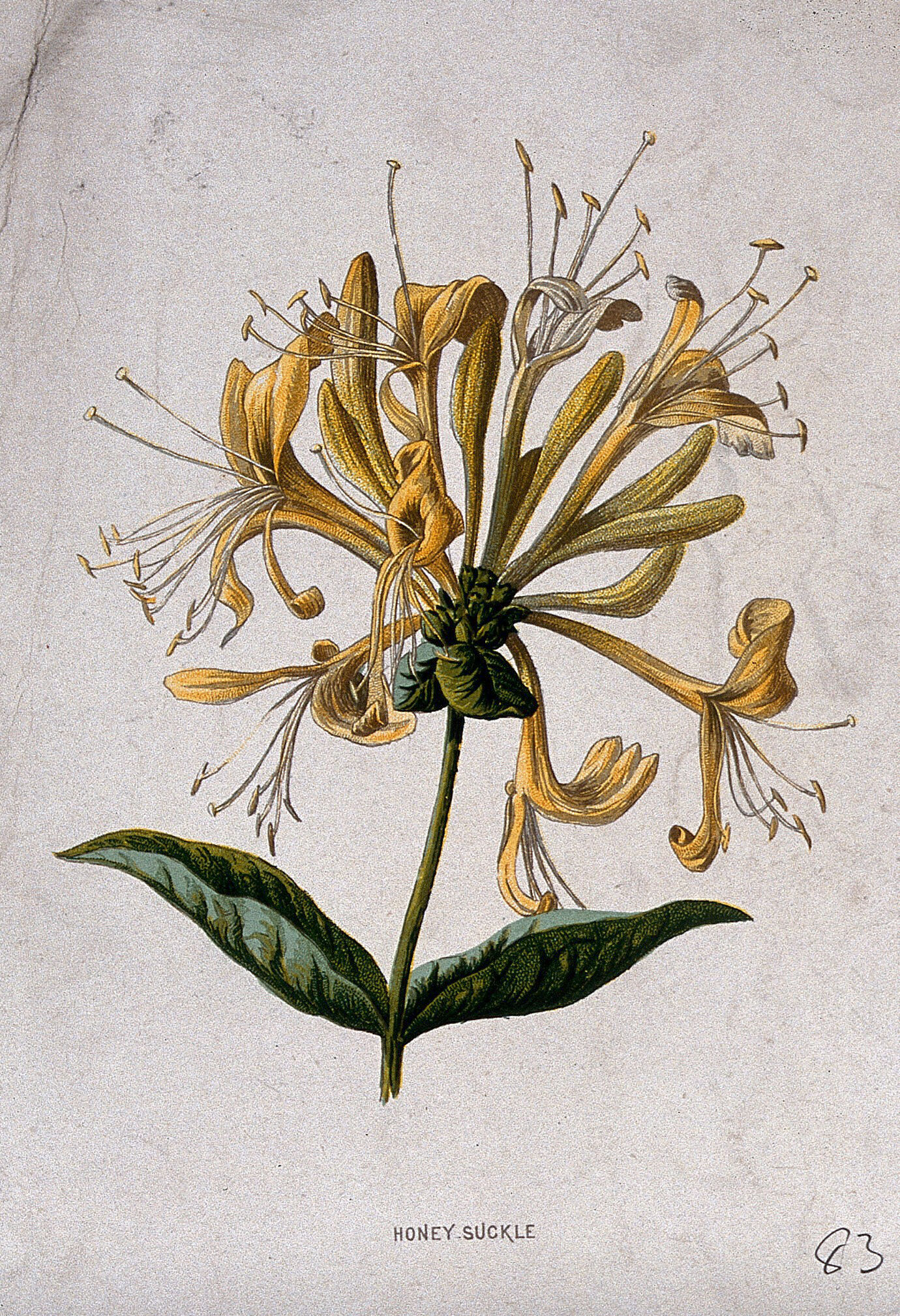
Invasive honeysuckle is harmful. It outcompetes native plants, reduces biodiversity, and can contribute to soil erosion. City-wide honeysuckle removal is led by Cincinnati Parks staff, volunteers, and local partners, who host regular workdays to remove and treat honeysuckle across Cincinnati.